


Patients Satisfied
MBBS, MS (Ortho), AOA Fellowship in Arthroplasty (Australia)
Consultant Orthopaedic Surgeon | Joint Replacement & Surgeon
Brigadier (Dr) Barun Datta (Retd) is a distinguished trained orthopaedic surgeon with over three decades of exemplary service in trauma care and joint preservation. Specializing in advanced orthopaedic procedures, Dr. Datta has a strong focus on arthroplasty and joint replacement surgeries, delivering exceptional results through precision, experience, and patient-centred care.
As an Accredited Arthroplasty Fellow of the Australian Orthopaedic Association Dr. Datta brings a global standard of excellence to his surgical practice. His expertise spans complex primary and revision joint replacements, minimally invasive techniques.
Dr. Datta served with distinction in the Indian Army Medical Corps, retiring as a Brigadier. He has led numerous high-volume surgical units, managed orthopaedic trauma during conflict zones, and developed orthopaedic services across multiple military hospitals. His academic roles have included teaching undergraduate and postgraduate students, mentoring future orthopaedic surgeons, and contributing to national medical boards.
At Dr. Barun Dutta’s practice, we are committed to providing world-class care with a patient-first philosophy. Our mission is to diagnose, treat, and manage orthopaedic conditions through advanced medical expertise and compassionate care. By crafting personalized treatment plans and utilizing minimally invasive techniques, we aim to enhance our patients’ quality of life and promote optimal recovery for a pain-free future.
Our Vision:
We aspire to be a leading provider of orthopaedic care , renowned for our innovation, precision, and patient-centered approach. We envision a future where health is accessible to everyone, enabling individuals to lead active, pain-free lives. Through continuous research, cutting-edge technology, and comprehensive rehabilitation, we are redefining the standards of orthopaedic surgery and care.
Our Story:
Dr. Barun Datta’s journey in orthopaedic Surgery is rooted in a passion for healing and a commitment to excellence. With years of experience and specialized training in advanced Arthroplasty procedures, Dr. Dutta has helped countless patients restore mobility and live pain-free lives. His expertise in minimally invasive orthopaedic surgery, pain management, and rehabilitation ensures that each patient receives care tailored to their specific needs.
Dr. Dutta advocates for a holistic approach to orthopaedic care, emphasizing not just surgical intervention, but also prevention, lifestyle modifications, and long-term wellness. His dedication to patient education and compassionate support has made him a trusted and respected name in orthopaedic care.

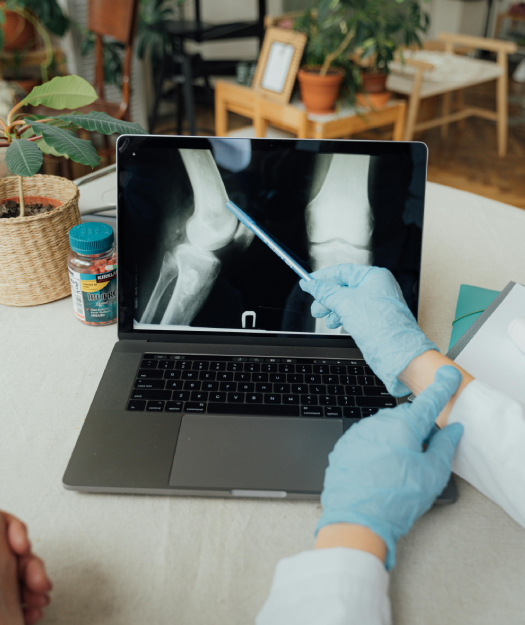


You should consult an orthopaedic surgeon if you experience persistent joint or bone pain, limited mobility, stiffness, swelling, or if an injury affects your daily activities. Conditions that don’t improve with rest, medications, or physical therapy may require expert evaluation and possible surgical intervention.
Dr. Barun Datta specializes in treating a wide range of orthopaedic conditions, including: ? Knee and hip arthritis ? Joint deformities ? Sports injuries ? Complex fractures and trauma ? Spinal injuries ? Post-traumatic rehabilitation ? Degenerative joint disorders
Minimally invasive orthopaedic surgery involves performing procedures through smaller muscle preserving incisions using advanced techniques and instruments. This approach results in less pain, reduced blood loss, shorter hospital stays, quicker recovery, and minimal scarring compared to traditional surgery.
Joint replacement is recommended when joint damage—typically from arthritis, injury, or wear and tear—causes severe pain, stiffness, and limits your ability to perform daily activities. If conservative treatments no longer offer relief, surgery may be the best option for restoring mobility and quality of life.
Recovery time varies by individual and type of surgery, but most patients begin walking with support within a day or two. Full recovery and return to normal activities usually take 6–12 weeks, with physical therapy playing a key role in regaining strength and function.
Yes. Dr. Datta prioritizes conservative treatment options before considering surgery. These may include medications, physiotherapy, lifestyle modifications, joint injections, and assistive devices. Surgical options are explored only when these treatments fail to provide adequate relief.
Preventing joint issues involves: ? Maintaining a healthy weight ? Staying physically active with low-impact exercises ? Eating a balanced, nutrient-rich diet ? Practicing good posture and body mechanics ? Avoiding repetitive joint stress and injuries Regular check-ups and early intervention can also help manage minor joint issues before they worsen.
Seek medical attention if you experience severe pain, swelling, bruising, inability to move a joint, or if symptoms don’t improve with rest and basic first aid. Early diagnosis is essential to avoid complications or long-term damage.
Treatment may include rest, ice, compression, elevation (RICE), physical therapy, medications, bracing, or surgical intervention in severe cases. Dr. Datta focuses on minimally invasive surgical options whenever necessary for faster recovery.
Yes, many sports injuries can be effectively managed with non-surgical treatments such as physiotherapy, joint injections, and activity modification. Surgery is recommended only if conservative methods fail or if the injury is severe.
Recovery time varies depending on the injury’s severity, the treatment method, and the individual’s overall health. Minor injuries may heal in days or weeks, while major injuries or surgeries may require several months of rehabilitation.
To prevent injuries: ? Warm up before activity and cool down afterward ? Use proper techniques and equipment ? Stay hydrated and maintain muscle strength ? Avoid overtraining and allow adequate rest ? Listen to your body and stop if you feel pain