Is Robotic Surgery Really Better Than Traditional Surgery?
In the present situation robotic surgery has become one of the most popular advances in modern medical science. According to the social advertisement people assume that robotic surgery is more advanced, safer, and more accurate than traditional surgical procedures.For patients looking for the best joint replacement surgeon in Kolkata, understanding the role of robotic-assisted surgery can help them make informed decisions. But is it really better? Or is it just the latest trend? The answer is somewhere in between—and worth understanding in detail.
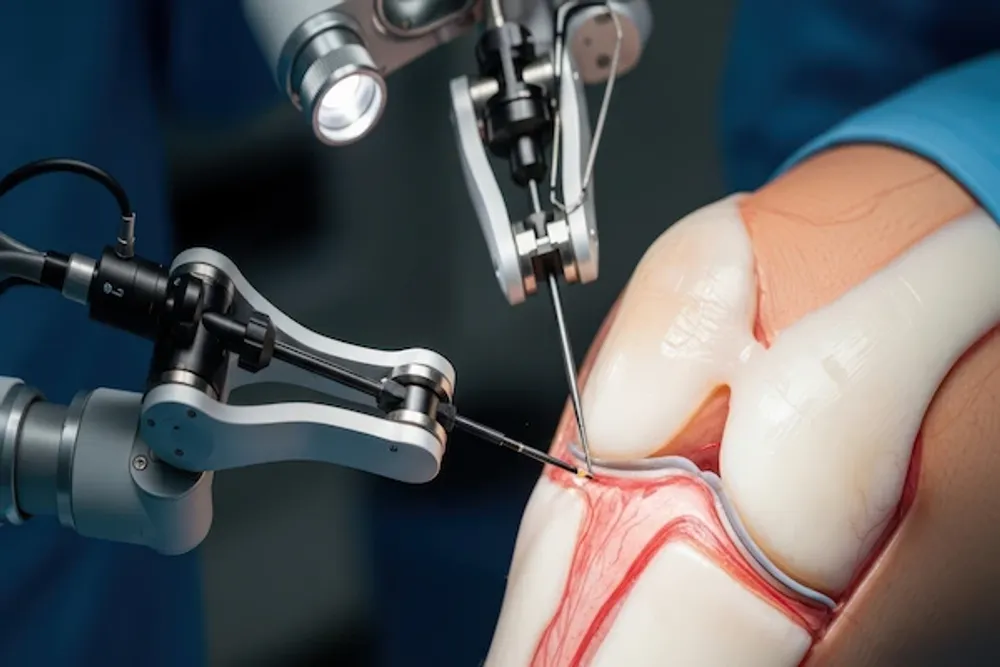
Robotic surgery isn’t performed by a robot alone. It is guided and controlled by a skilled surgeon using a robotic system. The robotic arms allow the surgeon to operate through very small incisions and reach areas that may be difficult to approach with traditional tools. This gives the surgeon improved dexterity and control.
As Brigadier (Dr.) Barun Datta talks about this :
Robotic-assisted surgery helps me plan and execute your procedure with higher precision. It allows me to tailor the surgery to your exact anatomy. Many patients experience more consistent alignment and potentially smoother recovery, but the most important factor is still the surgeon, not the robot.
This statement gives a clear insight into the truth about robotic surgery. The robot itself does not “replace” expertise. Instead, it enhances the surgeon’s skill by providing 3D visualization, steadier hand movements, and better access to complex surgical areas.
How Robotic Surgery Helps Patients?
Patients may benefit through -
* Smaller incisions and less bleeding
* Reduced pain and discomfort
* Lower risk of infection
* Shorter hospital stays
* Faster overall recovery
Traditional surgery, on the other hand, still works extremely well—especially in cases where large incisions are needed or when the surgical area must be physically touched and manipulated by the surgeon. In fact, many surgeries around the world are still performed traditionally with excellent results.
So Which One Is Better?
There is no single winner. Robotic surgery is better in many situations because it brings precision and versatility. However, the doctor’s experience, decision-making, and skill remain the most important factor in successful surgery—exactly as the doctor mentioned.
Final Thoughts
Robotic surgery is not replacing traditional surgery; it is evolving it. It is a tool that helps surgeons operate more confidently and accurately. If you ever have to choose between robotic and traditional surgery, the best approach is to consult a specialist who understands both. The future of surgery is not about robots replacing doctors—it is about better tools empowering the experts who save lives.