Are There Additional Risks With Robotic Surgery?
When people first hear the term robotic surgery, the idea can feel futuristic—sometimes even a little intimidating. It’s natural to wonder whether adding advanced machines to the operating room could bring extra risks. Many patients ask if the robotic system could malfunction or create complications that wouldn’t happen with traditional surgery.
These questions are completely valid. And understanding the reality behind robotic surgery is essential before making any medical decision.
Robotic Surgery: Not a Separate Type of Operation
A common misconception is that robotic surgery is a different kind of procedure with its own unique dangers. In truth, robotic surgery is simply a more advanced tool that surgeons use to perform specific operations with greater precision.
All the same medical standards, safety checks, and hospital guidelines that apply in traditional surgery also apply in robotic-assisted surgery.
As Brigadier (Dr.) Barun Datta explains it perfectly:
“The risks are similar to traditional surgery—such as infection or blood clots. The robot itself does not add significant risk. If there is any issue with the technology, we simply continue the procedure manually. The traditional instruments are always available.”
This statement highlights an important point:
The biggest risks come from the surgery itself, not from the robot.
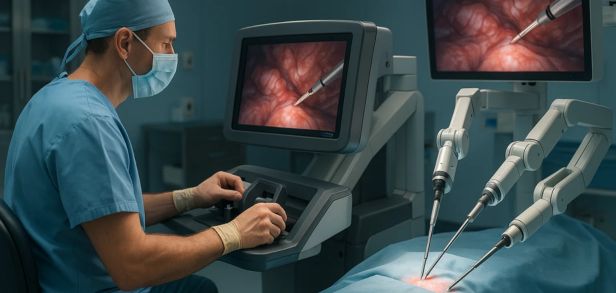
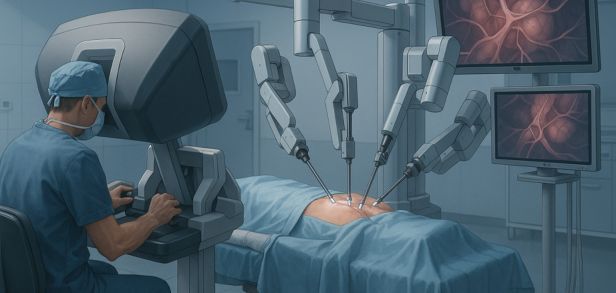
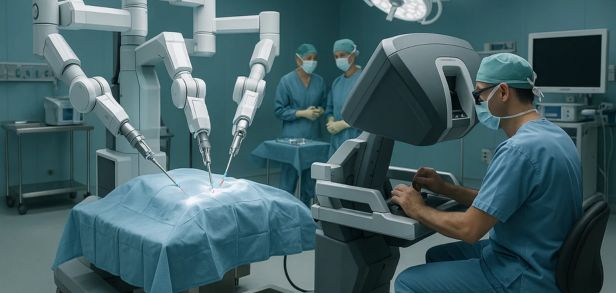
The robotic system does not act independently. It does not make decisions. It does not “take over.”
Every move it makes is completely controlled by the surgeon.
If a technical issue occurs—even though such events are extremely rare—the surgical team can instantly switch to traditional methods without compromising your safety.
Why Robotic Surgery Doesn’t Increase Risk
Robotic-assisted surgery includes several built-in features that actually enhance safety, such as:
✔ Continuous Monitoring
Advanced systems track performance and alert the surgeon to any issue instantly.
✔ Backup Systems
If something stops working, backup functions activate immediately.
✔ Real-Time Surgeon Control
The robot moves only when the surgeon directs it. Nothing is automated.
✔ Immediate Manual Alternatives
Traditional instruments are always available, and the surgical team can shift to them within seconds.
With these safeguards, many procedures are actually safer and more accurate with robotic assistance. Surgeons benefit from:
finer, steadier movements
improved precision
high-definition, magnified views
better access to hard-to-reach areas
This can lead to smaller incisions, less blood loss, and faster recovery for many patients.
So, Should You Be Worried?
In short: No.
Robotic surgery does not introduce new or unusual risks.
What matters most is:
the surgeon’s experience
the medical team’s preparation
choosing the right method for your condition
Robotic surgery is simply a tool—one that often enhances safety and improves outcomes when used appropriately.
Robotic-assisted surgery isn’t riskier than traditional surgery. Instead, it’s a modern approach that gives surgeons greater control, precision, and clarity. It doesn’t replace traditional methods, but it can make procedures smoother, safer, and more effective.
As the medical field continues to evolve, robotic surgery stands as a powerful example of how technology can improve—not complicate—patient care.