How to Choose the Best Joint Replacement Surgeon in Kolkata: A Complete Patient Guide
Joint pain can make everyday activities such as walking, climbing stairs, standing, and sleeping uncomfortable. When medication, physiotherapy, and lifestyle changes no longer provide sufficient relief, joint replacement surgery may be an option. Choosing the Best Joint Replacement Surgeon in Kolkata is an important step towards managing severe joint problems, improving mobility, and restoring quality of life.
This guide explains joint replacement surgery, when it may be needed, the qualities to look for in a surgeon, and what patients should know before treatment.
What Is Joint Replacement Surgery?
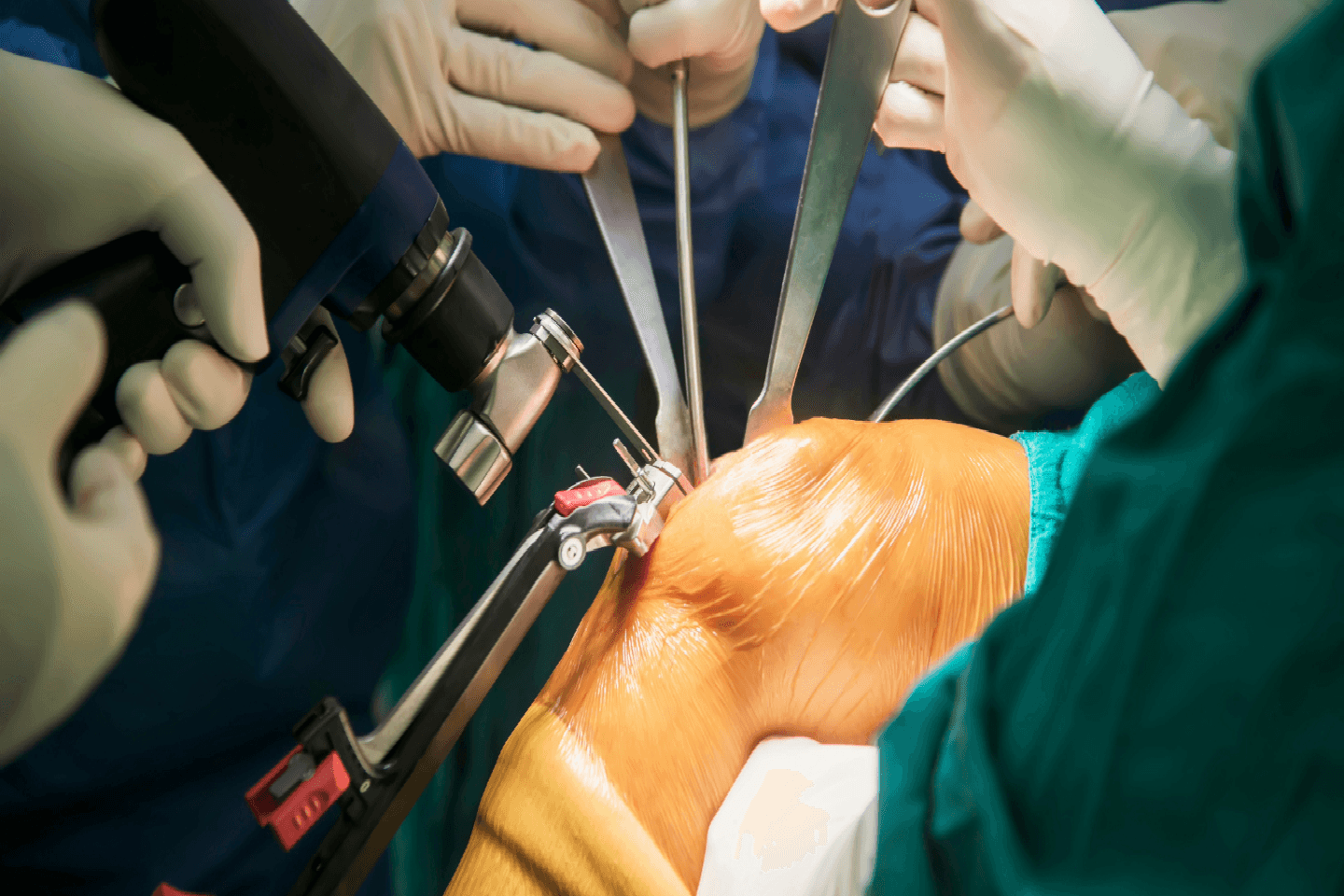
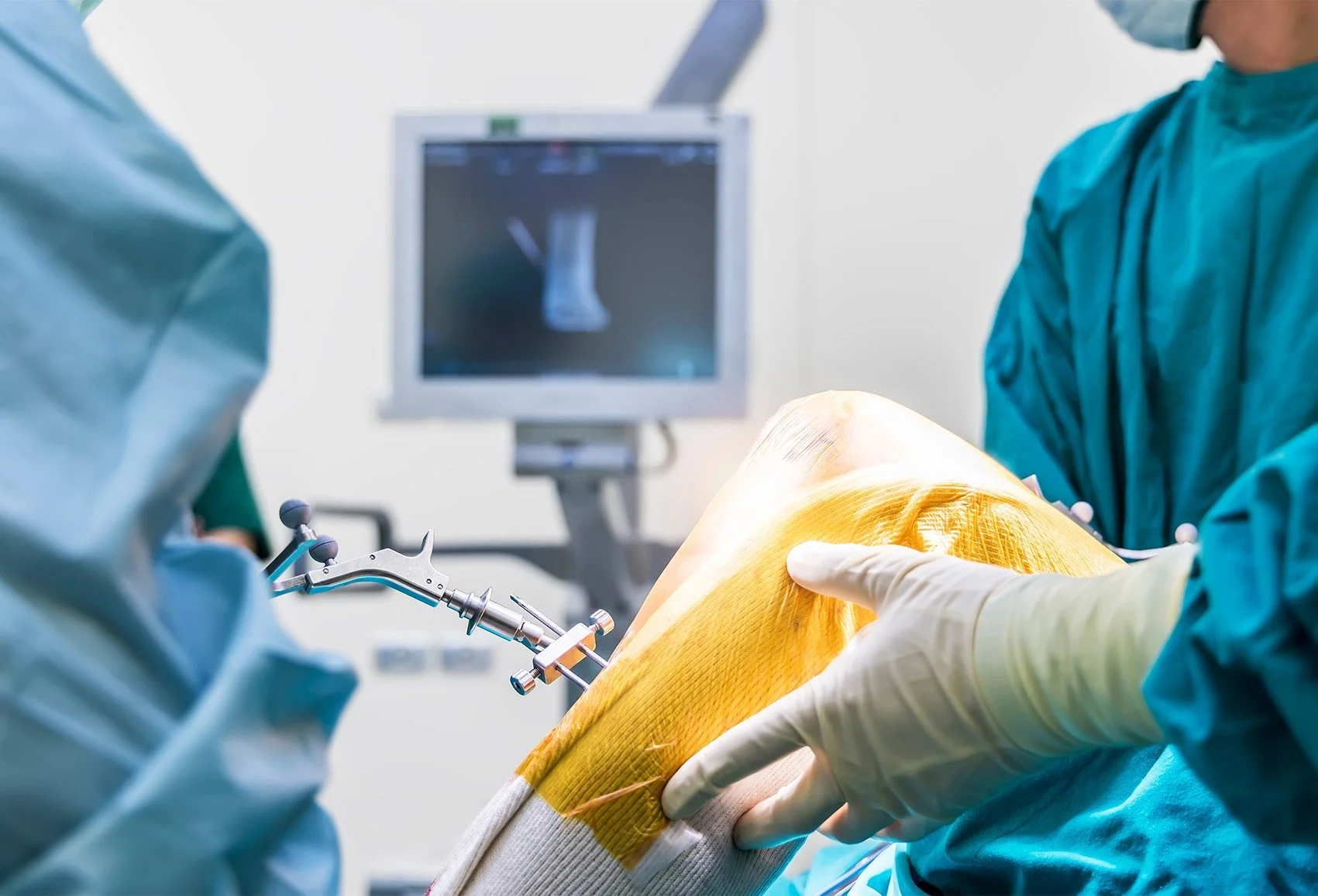
Joint replacement surgery is a procedure in which damaged parts of a joint are removed and replaced with artificial components called implants. These implants are designed to reduce pain, improve joint function, and support movement.
The procedure is commonly recommended for patients with advanced arthritis, severe joint damage, or certain injuries that affect mobility.
The most common types of joint replacement surgery include:
Total Knee Replacement: Damaged surfaces of the knee joint are replaced with artificial components.
Total Hip Replacement: Damaged parts of the hip joint are replaced to reduce pain and improve movement.
Partial Knee Replacement: Only the damaged section of the knee is replaced when the remaining joint is suitable.
Revision Joint Replacement: An existing implant is repaired or replaced when problems such as loosening, wear, or infection occur.
The appropriate procedure depends on the patient's condition, medical history, age, activity level, and diagnostic findings.
When Should You Consider Joint Replacement Surgery?
Not every joint problem requires surgery. Doctors generally recommend considering joint replacement when symptoms become severe and other treatments no longer provide adequate relief.
Common warning signs include:
Persistent knee or hip pain that affects daily activities.
Difficulty walking, standing, or climbing stairs.
Joint stiffness that restricts normal movement.
Swelling and discomfort that frequently return.
Pain that interferes with sleep or reduces independence.
Limited improvement after medication, physiotherapy, or other non-surgical treatments.
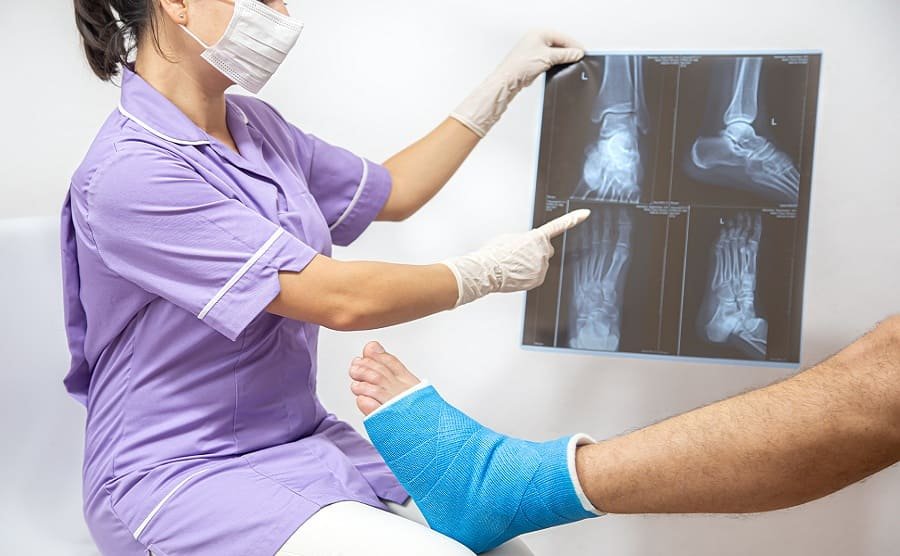
An orthopaedic specialist can assess the severity of joint damage through a physical examination, medical history, and appropriate imaging tests, such as X-rays. Surgery should be considered only after discussing its potential benefits, risks, and alternatives.
How to Find the Best Joint Replacement Surgeon in Kolkata
Selecting a qualified surgeon involves more than searching online for the best specialist. Patients should evaluate several important factors before making a decision.
1. Check Qualifications and Experience
Look for an orthopaedic surgeon with recognised medical qualifications, appropriate specialist training, and experience in knee or hip replacement procedures. Ask about their experience treating conditions similar to yours.
2. Understand the Treatment Approach
A good surgeon evaluates whether surgery is necessary or whether conservative treatments may still help. They should explain the diagnosis, available treatment options, expected outcomes, and possible complications in language that patients can understand.
3. Evaluate Hospital Facilities
Joint replacement surgery requires suitable operating facilities, infection-control protocols, anaesthesia support, and post-operative monitoring. Access to rehabilitation services can also contribute to recovery.
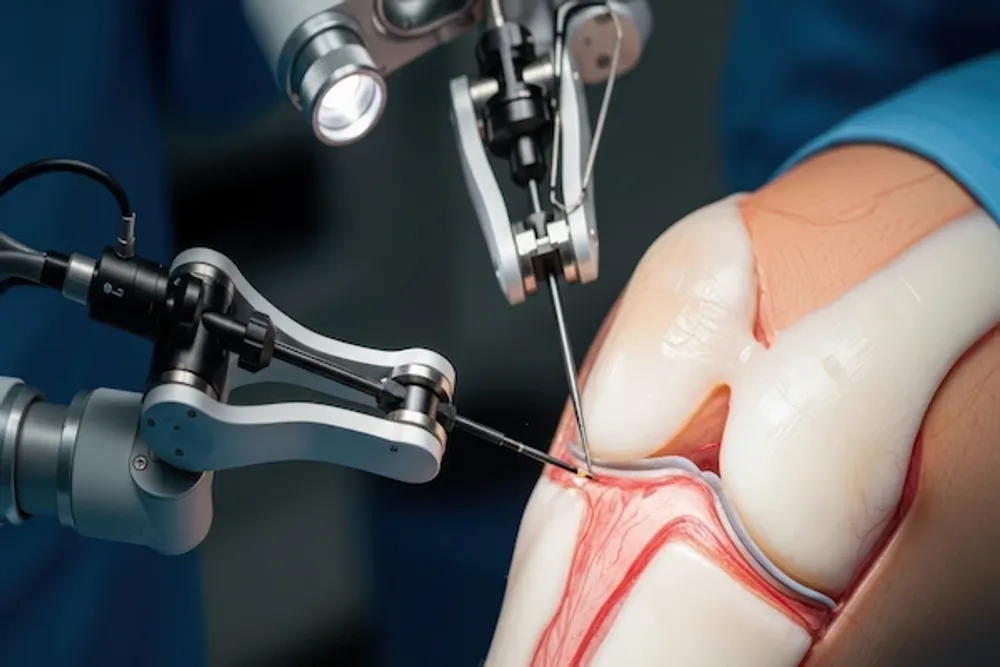
4. Ask About Surgical Techniques and Implants
Different surgical approaches and implant designs may be appropriate for different patients. Ask the surgeon why a particular technique or implant is recommended and how it relates to your condition. No single implant or surgical method is ideal for everyone.
5. Consider Rehabilitation Support
Recovery does not end when surgery is completed. Physiotherapy, prescribed exercises, pain management, and follow-up appointments are important parts of rehabilitation.
When researching the Best Joint Replacement Surgeon in Kolkata, consider clinical qualifications, relevant experience, communication, hospital standards, and the availability of follow-up care rather than relying on advertisements or online ratings alone.
What Happens Before, During, and After Joint Replacement Surgery?
Before surgery: The surgeon reviews your medical history, examines the affected joint, and arranges necessary investigations. You may also need medical clearance and guidance about existing medicines, nutrition, and preparing your home for recovery.
During surgery: The damaged joint surfaces are replaced with appropriate artificial components. The procedure is performed using anaesthesia, and the surgical plan depends on the joint and the patient's individual needs.
After surgery: The healthcare team monitors your recovery and helps you begin movement when medically appropriate. Physiotherapy usually starts according to the surgeon's protocol. Recovery varies, and progress depends on factors such as overall health, the type of surgery, and adherence to rehabilitation instructions.
Following medical advice and attending scheduled reviews can help identify complications early and support recovery.
What Are the Benefits and Risks of Joint Replacement?
Joint replacement can significantly reduce pain, improve mobility, and make daily activities easier for suitable patients. Many people experience better function and quality of life after completing rehabilitation.
However, surgery also carries risks, including infection, blood clots, bleeding, stiffness, implant loosening, and persistent pain. Some patients may require additional surgery in the future. Discussing these risks with an experienced orthopaedic surgeon helps patients make an informed decision.
Frequently Asked Questions (FAQs)
Who is the right candidate for joint replacement surgery?
People with severe joint damage, persistent pain, and reduced mobility who have not benefited sufficiently from non-surgical treatments may be candidates. A specialist assessment is necessary.
Is knee replacement surgery safe?
Knee replacement is an established procedure, but no operation is entirely risk-free. Individual risk depends on medical history, general health, surgical factors, and post-operative care.
How long does recovery take after joint replacement?
Recovery varies between individuals and procedures. Many patients resume basic daily activities within several weeks, while strength, flexibility, and fuller recovery may take several months.
Is joint replacement possible for older adults?
Yes. Age alone does not determine suitability. The patient's overall health, functional needs, and ability to participate in rehabilitation are important considerations.
How can I choose the best joint replacement surgeon in Kolkata?
Check recognised qualifications, relevant surgical experience, hospital facilities, communication, patient-care arrangements, and rehabilitation support. Arrange a consultation to discuss your diagnosis and treatment options.
Conclusion
Choosing the Best Joint Replacement Surgeon in Kolkata begins with understanding your joint condition and finding a qualified orthopaedic specialist who offers evidence-based advice and individualised care. From diagnosis and treatment planning to surgery and rehabilitation, every stage matters.
If persistent knee or hip pain is affecting your quality of life, consult a qualified orthopaedic surgeon to understand the available options. An informed decision, realistic expectations, and a structured recovery plan can help you work towards improved mobility and greater independence.