Arthroscopic Meniscus Repair in Kolkata: A Minimally Invasive Solution for Knee Cartilage Tears
Knee pain can seriously affect your daily life—whether you are walking, climbing stairs, or participating in sports. One common reason behind persistent knee pain is a meniscus tear, a condition affecting the cartilage that cushions the knee joint. Fortunately, modern orthopedic techniques like Arthroscopic Meniscus Repair in Kolkata offer an advanced and minimally invasive way to treat this problem and restore knee function.
If you are experiencing knee pain, swelling, or locking of the knee, understanding this procedure can help you make an informed treatment decision.
What is Arthroscopic Meniscus Repair?
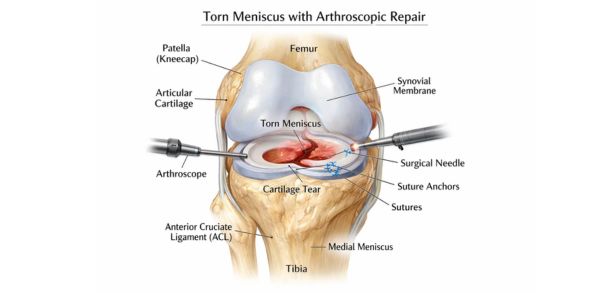
Arthroscopic Meniscus Repair in Kolkata is a minimally invasive surgical procedure used to repair a torn meniscus in the knee joint. The meniscus is a C-shaped cartilage that acts as a shock absorber between the thigh bone and shin bone.
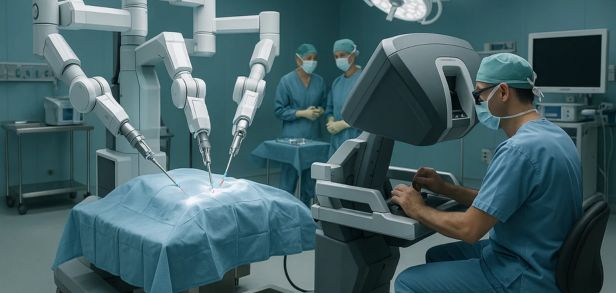
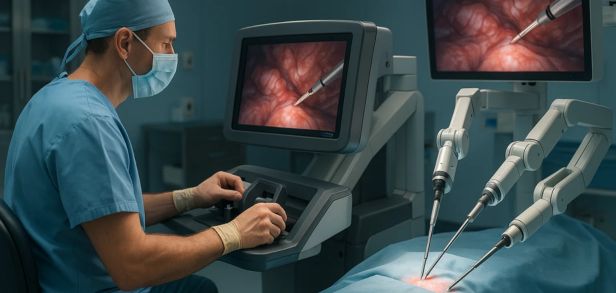
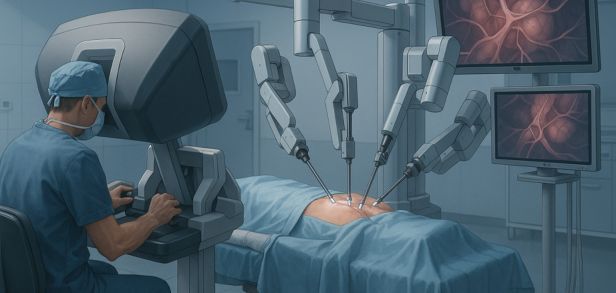
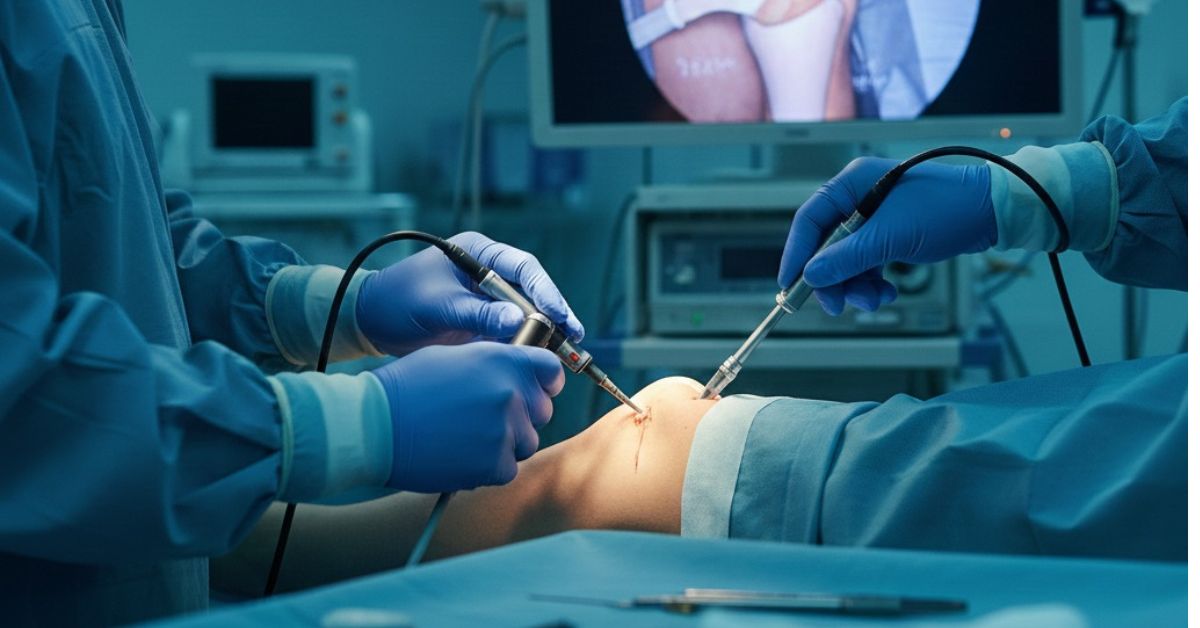
During the procedure, a surgeon uses a small camera called an arthroscope and specialized surgical instruments inserted through tiny incisions around the knee. The torn cartilage is repaired using sutures or specialized repair devices, helping preserve the natural structure of the knee.
This surgery is usually performed as an outpatient procedure, meaning patients can go home on the same day.
Symptoms of a Torn Meniscus
A torn meniscus can cause several noticeable symptoms. Common signs include:
- Pain in the knee joint
- Swelling around the knee
- Difficulty bending or straightening the knee
- Clicking or catching sensation in the joint
- Knee locking during movement
- Increased pain during squatting or twisting movements
If a fragment of the torn cartilage gets stuck between the bones, the knee may even become temporarily locked.
Early diagnosis and treatment are important to prevent further damage to the joint.
Goals of Arthroscopic Meniscus Repair
The primary goal of Arthroscopic Meniscus Repair in Kolkata is to preserve the natural meniscus tissue. The meniscus plays a crucial role in:
- Shock absorption in the knee
- Load distribution during movement
- Protecting joint cartilage
- Maintaining joint stability
Only the outer third portion of the meniscus has a sufficient blood supply that allows the tissue to heal after repair. Therefore, surgeons usually repair tears located in this peripheral region.
If the tear occurs in an area without blood supply, removing the damaged portion (meniscectomy) may be recommended instead.
Surgical Treatment Options for Meniscus Tears
There are three main surgical approaches used to treat meniscus injuries:
1. Meniscus Repair
The torn cartilage is stitched back together. This option preserves the meniscus and reduces long-term joint damage.
2. Meniscectomy
The damaged part of the meniscus is removed. Although recovery is faster, removing cartilage can increase the risk of arthritis later in life.
3. Meniscus Replacement
In rare cases, young patients who have previously lost most of their meniscus may undergo a meniscus transplant.
Whenever possible, surgeons prefer meniscus repair, as preserving cartilage helps maintain long-term knee health.
Effectiveness of Arthroscopic Meniscus Repair
When performed by an experienced orthopedic surgeon, Arthroscopic Meniscus Repair in Kolkata has a high success rate.
Studies show that about 90% of patients experience good results after the procedure.
Factors that improve healing include:
- Early surgery within two months of injury
- Tears located near the outer edge of the meniscus
- Healthy meniscus tissue
- Combined ligament reconstruction (if needed)
Successful repair also slows the progression of knee arthritis.
Benefits of Arthroscopic Meniscus Repair
Choosing meniscus repair instead of removal provides several long-term advantages:
- Preserves natural knee cartilage
- Maintains normal knee biomechanics
- Reduces risk of osteoarthritis
- Restores knee stability
- Improves long-term joint function
The meniscus absorbs a large amount of force during daily activities. Preserving it helps protect the joint from excessive wear and tear.
Who Should Consider Arthroscopic Meniscus Repair?
This procedure is usually recommended when:
- The patient wants to remain active
- The meniscus tear is located in the outer region
- The cartilage quality is good
- The patient understands the rehabilitation process
- An experienced orthopedic surgeon is performing the surgery
Active individuals and athletes often benefit significantly from this procedure.
Non-Surgical Treatment Options
Before considering surgery, doctors may recommend conservative treatments such as:
Medications
Anti-inflammatory medicines can reduce pain and swelling but do not heal the tear.
Physical Therapy
Strengthening exercises for the quadriceps and surrounding muscles help stabilize the knee and improve mobility.
However, if symptoms persist or the knee continues to lock, surgery may be necessary.
What Happens During the Procedure?
Arthroscopic meniscus repair usually takes one to one and a half hours.
The surgeon:
- Makes small incisions around the knee.
- Inserts an arthroscope to view the joint on a monitor.
- Identifies and evaluates the meniscus tear.
- Repairs the cartilage using sutures or special devices.
- Closes the incisions after completing the repair.
Because the procedure is minimally invasive, it causes less tissue damage and allows faster recovery compared to traditional surgery.
Recovery and Rehabilitation
Recovery plays a critical role in the success of Arthroscopic Meniscus Repair in Kolkata.
Typical recovery milestones include:
- First few days: swelling and mild pain managed with medication
- First 6 weeks: knee brace used while walking
- 6–12 weeks: gradual increase in knee motion
- 3 months: low-impact activities like swimming or cycling
- 4–5 months: return to sports and full physical activity
Physical therapy is essential to regain strength, flexibility, and normal knee movement.
Risks and Complications
Although arthroscopic meniscus repair is generally safe, potential risks include:
- Infection
- Blood clots
- Knee stiffness
- Nerve irritation
- Re-tear of the meniscus
These complications are uncommon, and experienced surgical teams take precautions to minimize risks.
Expert Orthopaedic Care in Kolkata
For patients seeking Arthroscopic Meniscus Repair in Kolkata, choosing an experienced orthopedic specialist is crucial for successful treatment and recovery.
One such experienced specialist is Dr Barun Datta, a highly respected orthopaedic surgeon with extensive expertise in joint replacement and advanced knee procedures.
Meet Dr. Barun Datta – Joint Replacement Surgeon
- MBBS
- MS (Orthopaedics)
- AOA Fellowship in Arthroplasty (Australia)
Dr. Datta is known for his patient-focused approach and advanced surgical techniques in knee and joint treatments. With years of experience in orthopedic surgery, he helps patients regain mobility and return to an active lifestyle.
A torn meniscus can limit your mobility and affect your quality of life. Thankfully, modern orthopaedic techniques like Arthroscopic Meniscus Repair in Kolkata provide a safe and effective solution for repairing knee cartilage while preserving joint health.
With proper diagnosis, skilled surgical care, and dedicated rehabilitation, most patients recover successfully and return to their normal activities within a few months.
If you are experiencing persistent knee pain or symptoms of a meniscus tear, consulting an experienced orthopaedic specialist can help you explore the best treatment options and start your journey toward pain-free movement.