

Back in the Game: How to Prevent and Recover from Sports Injuries the Right Way
Smart prevention. Expert treatment. Confident return.
From prevention tips to expert recovery strategies, Brigadier (Dr) Barun Datta (Retd) shares how athletes and active individuals can stay injury-free and bounce back stronger after a sports injury.
Whether You’re a Pro or a Weekend Warrior, Injuries Can Happen
Sports injuries don’t just affect elite athletes—they’re common among fitness enthusiasts, gym-goers, and even those who play recreational sports. If not properly managed, these injuries can lead to chronic pain, reduced performance, or long-term complications.
With decades of orthopaedic expertise, Brigadier (Dr) Barun Datta (Retd)offers a holistic approach to both preventing and treating sports injuries, helping patients regain strength, mobility, and confidence to return to the activities they love.
Common Sports Injuries You Shouldn’t Ignore
● Ligament tears (like ACL, MCL) – often caused by sudden twists or direct impacts
● Meniscus injuries – common in sports that involve squatting, jumping, or pivoting
● Rotator cuff tears and shoulder dislocations – often seen in throwing or contact sports
● Tendonitis and bursitis – due to overuse or improper technique
● Stress fractures – from repetitive impact activities like running
● Ankle sprains and strains – among the most frequent in field and court sports
How to Prevent Sports Injuries: Pro Tips from Dr. Datta
1. Warm-Up the Right Way
A proper warm-up and stretching increases blood flow, improves flexibility, and prepares your muscles and joints for activity. Include light cardio and dynamic stretches before intense exercise.
2. Focus on Technique and Form
Poor posture or incorrect movements can strain joints and ligaments. Work with a coach or trainer to refine your form—especially during high-intensity workouts.
3. Strengthen Supporting Muscles
Cross-training and strength conditioning are crucial to stabilizing your joints and preventing imbalances that lead to injuries.
4. Don’t Skip Rest and Recovery
Rest days aren’t optional—they’re essential for muscle repair and injury prevention. Overtraining is one of the top causes of chronic sports injuries.
5. Use the Right Gear
Wearing proper footwear, braces, or protective equipment reduces your risk of trauma or impact injuries.
Injury Recovery: What Sets Dr. Datta’s Approach Apart
When injuries do occur, timely diagnosis and personalized care are key.
His treatment plans include:
● Advanced imaging for precise diagnosis
● Minimally invasive arthroscopic surgeries, if needed
● Non-surgical options like physiotherapy, taping, and guided rehab
● Customized return-to-sport strategies to prevent reinjury
Whether it’s surgical repair or conservative care, every recovery plan is tailored to your sport, level of activity, and future goals.
Mental Recovery Is Just as Important
Injuries often come with emotional hurdles—fear of re-injury, frustration, or loss of motivation. Dr. Datta emphasizes mental wellness alongside physical rehabilitation to support complete recovery.
Get Back to Your Game—Stronger and Smarter
The key to a successful comeback isn’t just treatment—it’s prevention, expert care, and a guided return-to-play plan. Whether you’re healing from an injury or looking to avoid one, Brigadier (Dr) Barun Datta (Retd) is here to help.
Book your consultation today and take the next step toward a safer, stronger, and pain-free active life.
TAGS:
Categories
Recent Posts

24-12-2025
Brigadier (Dr) Barun Datta (Retd)

12-12-2025
Are There Additional Risks With Robotic Surgery?

09-12-2025
Is the Robot Doing the Surgery on Its Own?
08-12-2025
Is Robotic Surgery Really Better Than Traditional Surgery?
05-11-2025
What is the most successful knee surgery?
09-10-2025
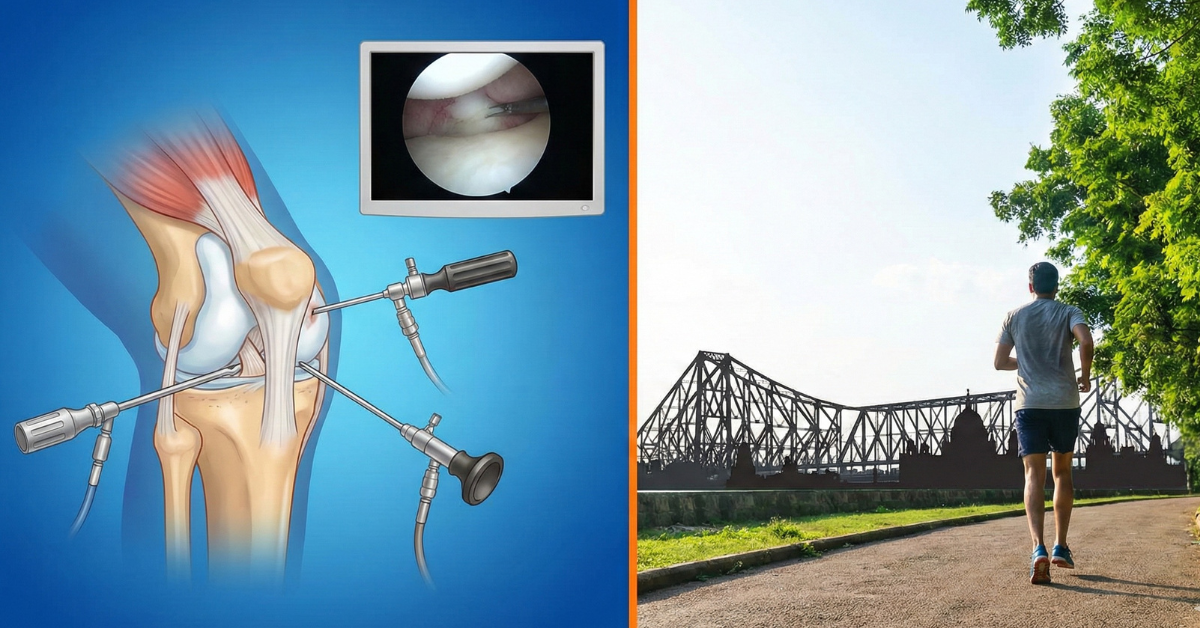
Arthroscopic Meniscus Repair Kolkata