
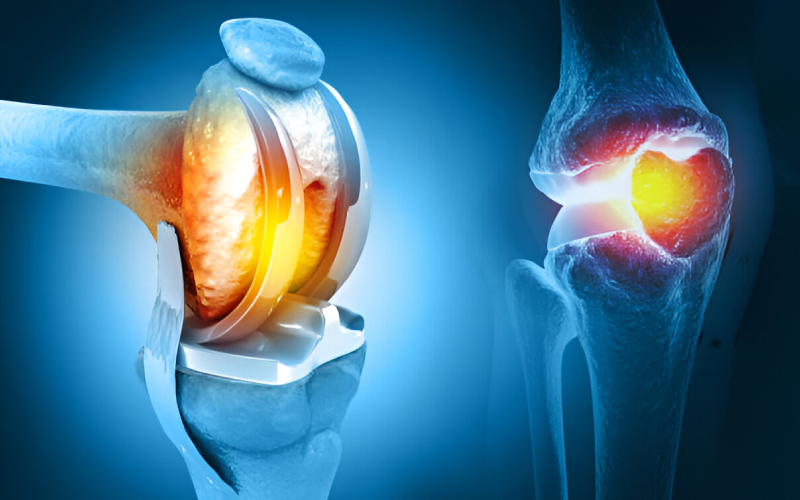
Joint Replacement Surgery: When Is the Right Time to Consider It?
Understand the signs | Explore your options | Take control of your joint health
Persistent joint pain slowing you down? Discover the signs it’s time to consider joint replacement surgery and how Brigadier (Dr) Barun Datta (Retd)can help restore your mobility.
Is Joint Pain Affecting Your Quality of Life?
We all experience occasional aches and stiffness, but when joint pain becomes constant and disrupts your everyday routine, it could signal a deeper issue. For many, joint replacement surgery offers a life-changing solution—restoring movement, reducing pain, and improving overall well-being.
Brigadier (Dr) Barun Datta, with over 35 years of orthopaedic excellence, helps patients make informed decisions about joint replacement based on their individual needs, condition severity, and lifestyle goals.
Top Signs It Might Be Time for Joint Replacement Surgery
1. Chronic Joint Pain That Doesn’t Improve with Medication
If over-the-counter painkillers, anti-inflammatory medications, or steroid injections no longer provide relief, your joint damage may have reached a point where surgery is the most effective option.
2. Limited Mobility and Daily Activity Struggles
Do you find it difficult to walk, climb stairs, or even stand for long periods? When stiffness and pain restrict your everyday movement, it’s time to consider a more permanent solution.
3. Joint Deformity or Visible Swelling
In advanced cases of arthritis, joints may appear misshapen or constantly swollen. These are signs of structural deterioration that typically won’t improve without surgical intervention.
4. Disrupted Sleep Due to Pain
When joint discomfort keeps you awake at night, it not only affects your physical health but also your mental well-being—both of which are important factors in choosing surgery.
5. Reduced Quality of Life Despite Conservative Treatment
If physical therapy, assistive devices, and lifestyle changes haven’t helped, joint replacement may be your best path to regaining independence and comfort.
Knee vs. Hip Replacement: What’s the Difference?
● Knee Replacement is often recommended for patients with osteoarthritis, rheumatoid arthritis, or post-traumatic joint degeneration.
● Hip Replacement is ideal for those suffering from chronic hip pain, avascular necrosis, or degenerative joint disease.
Both procedures aim to replace the damaged joint surfaces with high-quality prosthetic components, restoring smooth, pain-free movement.
Modern Joint Replacement: Safe, Effective, and Personalized
Today’s joint replacement surgeries are more advanced than ever. With minimally invasive techniques, improved implant materials, and faster rehabilitation protocols, most patients experience excellent long-term outcomes.
At Dr. Barun Datta’s practice, each surgery is tailored to:
● Preserve as much natural bone and joint structure as possible
● Ensure maximum range of motion
● Minimize recovery time
● Help you return to your desired level of activity—whether that’s walking pain-free or playing your favorite sport again
What to Expect After Surgery
● Hospital stay of 2–4 days (depending on the procedure)
● Physiotherapy starts immediately post-op
● Most patients resume normal activities within 6–12 weeks
● Long-term care focuses on joint protection and lifestyle modifications
Take the First Step Toward a Pain-Free Life
If joint pain is limiting your life, it might be time to consider joint replacement. Brigadier (Dr) Barun Datta (Retd) offers expert diagnosis, compassionate guidance, and advanced surgical care to help you move confidently again.
Schedule a consultation today and explore your options for a stronger, more mobile future.
TAGS:
Categories
Recent Posts

24-12-2025
Brigadier (Dr) Barun Datta (Retd)

12-12-2025
Are There Additional Risks With Robotic Surgery?

09-12-2025
Is the Robot Doing the Surgery on Its Own?

08-12-2025
Is Robotic Surgery Really Better Than Traditional Surgery?

05-11-2025
What is the most successful knee surgery?

09-10-2025
Arthroscopic Meniscus Repair Kolkata